Japanese Canadian Legacies

Japanese Canadian Community Roots

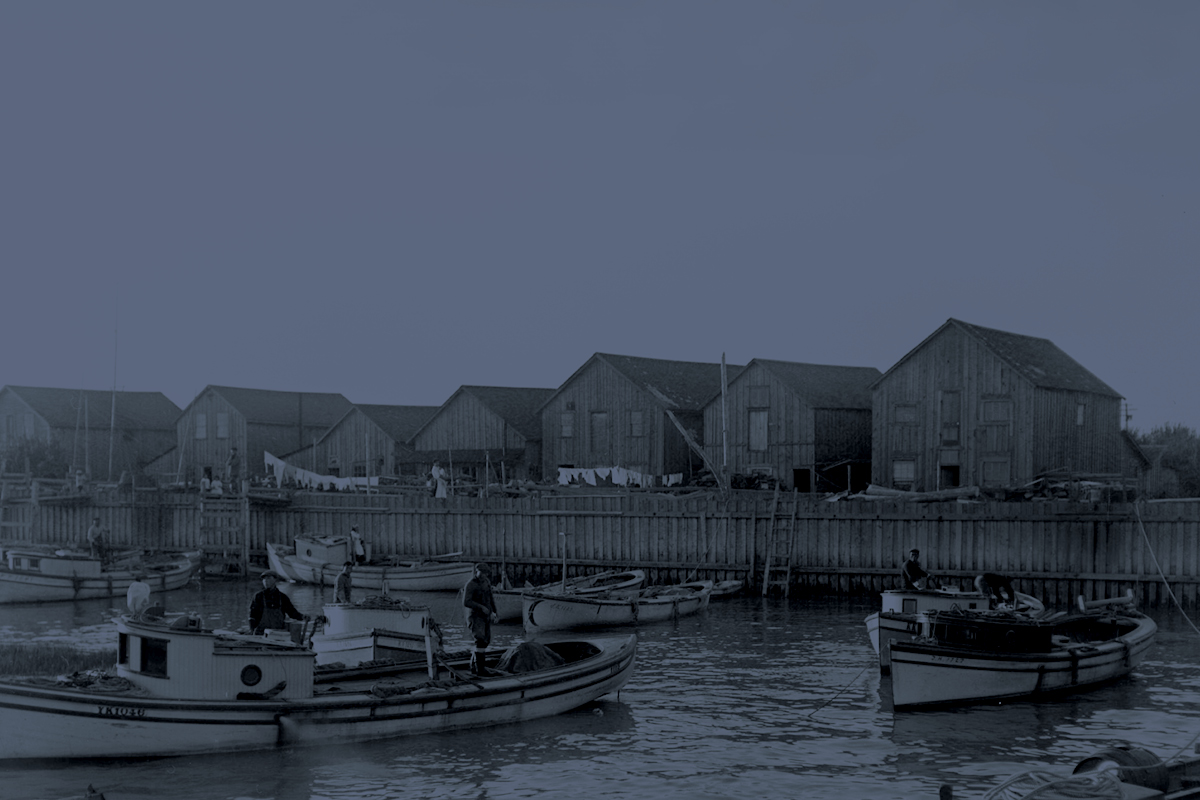
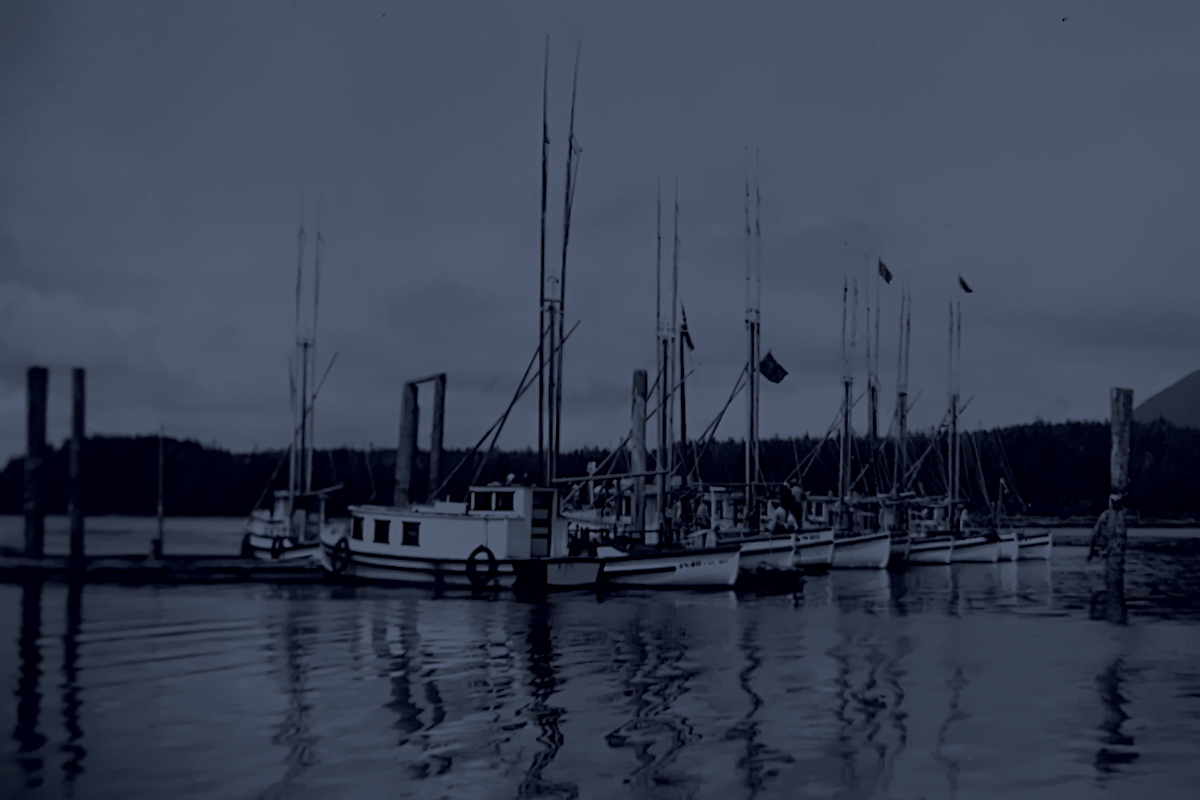
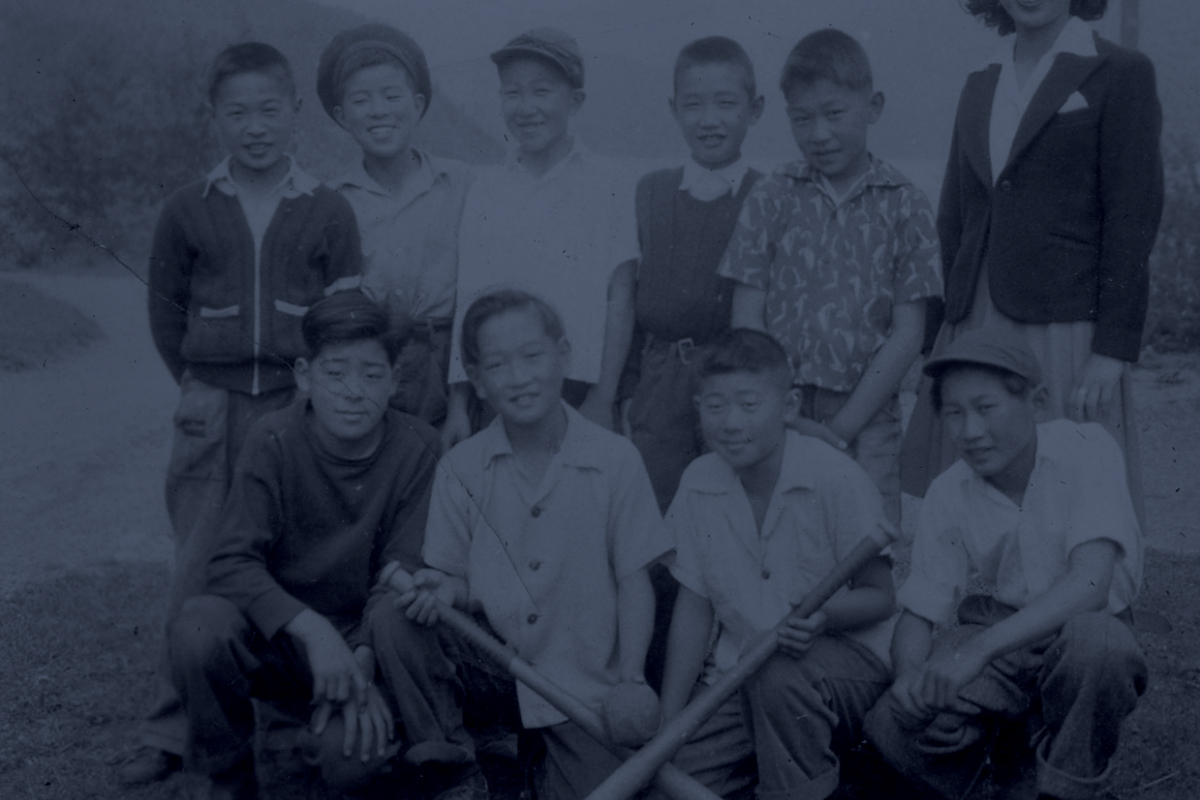
Beginning in the late 1800s, Japanese Canadians lived, worked, and built communities across British Columbia. Primarily working in the fishing, logging, and farming industries along the west coast, generations of families forged a deep connection to the land and waters of the province. Wherever they settled, Japanese Canadians established a resilient network of support that allowed them to endure and prosper despite deep systemic barriers.

Our Purpose

The Japanese Canadian Legacies Society (JCLS) was created to honour the legacy of nearly 22,000 Japanese Canadians in BC who were forcibly uprooted, dispossessed, and systematically erased from the places they called home beginning in 1942. Built on a historical wrongs framework, the JCLS oversees the implementation of a set of legacy initiatives including Monument, Education, Seniors Health & Wellness, Community & Culture, and Heritage Preservation.

Place-based Projects

Throughout 2026 and 2027, Heritage and Legacy projects will be opening throughout BC. Visit this page for a list of dates.

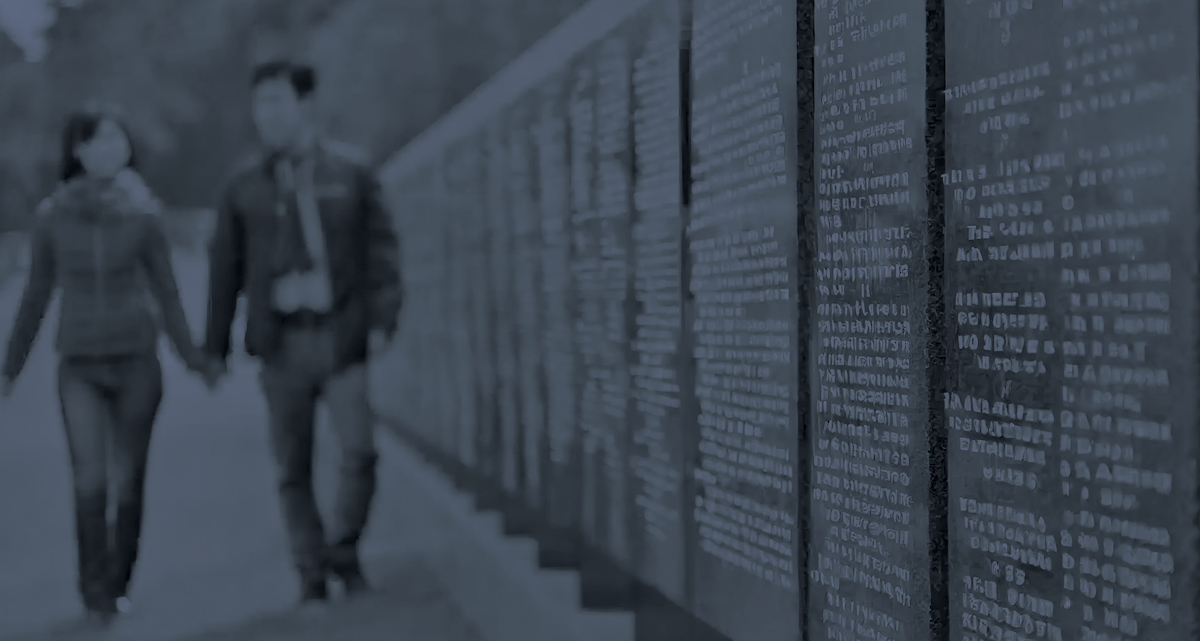
The Japanese Canadian Monument in Victoria opens this fall, engraved with the names of nearly 22,000 people uprooted from the west coast in 1942.

Heritage and Legacy projects throughout BC focus on pre-war settlement areas and include wartime internment camps and self-supporting sites.

Key Programs

Lesson plans and other resources designed to support teachers and students through meaningful engagement with Japanese Canadian history.

Community Fund 1, now completed, supported over 1,100 projects across the country. Community Fund 2 projects are complete or in progress.

Health and wellness grants supported over 5,000 seniors through the Japanese Canadian Survivors Health and Wellness Fund. The H.U.G.S. program supports seniors in BC’s lower mainland.

Japanese Canadian Legacies are initiatives that honour our elders past and present.
We are grateful to be doing this work on the ancestral lands of the Coast Salish peoples.